


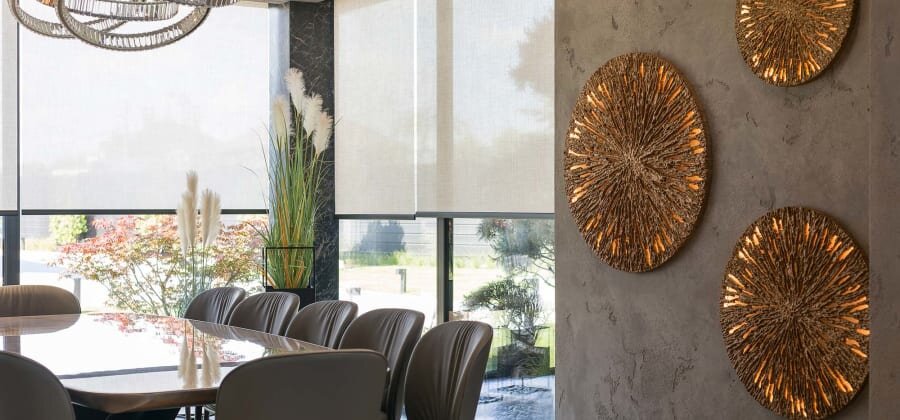
New Jersey winters can be long, cold, and unpredictable, making energy efficiency a top priority for homeowners throughout Morris County. From older homes in Morristown to newer construction in Randolph and Florham Park, reducing heat loss without sacrificing comfort or style is a common goal. At Speedwell Design, many clients exploring energy-saving window treatments in Morris County, NJ ask the same question: Are motorized shades or blinds better for winter efficiency?
Both options offer benefits, but their performance during NJ winters differs in important ways. Understanding insulation value, seasonal behavior, and automation features can help you choose the smartest solution for your home.
Why Window Treatments Matter More in Winter
Windows are one of the biggest sources of heat loss in a home. Even with quality windows, cold air transfer can increase heating costs and create uncomfortable drafts. The right window treatments add an extra barrier between your living space and the outdoors.
In winter, effective window treatments help:
Reduce heat loss through glass
Improve indoor comfort near windows
Lower heating demand and energy bills
Maintain consistent room temperatures
Motorized shades and blinds both contribute—but in different ways.
Motorized Window Shades: Consistent Insulation and Smart Control
Motorized window shades are often the top choice for homeowners focused on winter efficiency. Their design allows them to sit close to the window, creating a more continuous layer of insulation.
Insulation Performance
Shades—especially cellular or layered fabrics—trap air between the window and the room. This trapped air acts as insulation, slowing heat transfer during cold NJ nights.
Automation Advantages
Because motorized shades can be scheduled, they work even when you’re not thinking about them. For example:
Open during sunny winter days to capture natural heat
Close automatically at dusk to retain warmth
Adjust based on room usage or time of day
This consistency is key. A shade that closes every evening on schedule delivers better efficiency than one that relies on manual adjustment.
Ideal Uses
Motorized shades perform especially well in:
Living rooms with large windows
Bedrooms where nighttime heat retention matters
Homes with high ceilings or hard-to-reach windows
Window Blinds: Adjustable Light Control With Moderate Insulation
Window blinds—such as wood, faux wood, or aluminum—offer a different approach to winter performance. Rather than forming a sealed layer, blinds provide adjustable slats that control light and privacy.
Insulation Performance
Blinds do offer some insulation, particularly thicker materials like wood or faux wood. However, because slats allow small gaps, they generally don’t retain heat as effectively as shades.
That said, closing blinds fully during winter nights still helps reduce radiant heat loss, especially in moderately sized windows.
Flexibility Benefits
Blinds excel at:
Precise light control on bright winter days
Balancing privacy and daylight
Visual warmth in traditional interiors
For homeowners who value adjustability throughout the day, blinds remain a practical option.
Shades vs. Blinds: Winter Efficiency Comparison
When comparing motorized shades and blinds for NJ winters, a few key differences stand out:
Insulation Value: Motorized shades typically outperform blinds due to their continuous coverage and air-trapping properties.
Consistency: Automation allows shades to operate on schedules, improving energy efficiency without daily effort.
Light Control: Blinds offer finer control of daylight angles, while shades provide broader light filtering or blackout effects.
Comfort Near Windows: Rooms with motorized shades often feel warmer and less drafty during cold weather.
In many Morris County homes, shades are chosen for primary living spaces, while blinds are used in secondary rooms where flexibility is preferred.
Smart Scheduling for Maximum Winter Savings
One of the biggest advantages of motorized window treatments is the ability to align them with seasonal patterns. During NJ winters, smart scheduling can:
Open shades mid-morning to harness sunlight
Close them before sunset to retain heat
Reduce reliance on thermostats during peak heating hours
Midway through the planning process, many homeowners benefit from Speedwell Design’s free design consultations and estimates, which help determine the best fabrics, materials, and control options for winter performance.
Blending Efficiency With Style
Energy efficiency doesn’t have to mean sacrificing design. Motorized shades come in a wide range of textures and opacity levels, while blinds offer classic and contemporary finishes. The right choice enhances both comfort and aesthetics—especially important in visible spaces like living rooms and dining areas.
Some homeowners even combine treatments, using motorized shades for insulation with decorative blinds or valances for added style.
Choosing the Right Solution for Your NJ Home
There’s no universal answer—only the right solution for your home’s layout, window sizes, and lifestyle. If winter energy savings are your top priority, motorized shades usually provide the strongest performance. If adjustability and design flexibility matter most, blinds still play an important role.
For homeowners considering energy-saving window treatments in Morristown, NJ and across Morris County, Speedwell Design offers expert guidance tailored to local homes and seasonal conditions. Contact our team today to schedule your free consultation and estimate, or visit our showroom to explore motorized shades and window blinds designed to keep your home warmer all winter long.


